Featured

Is Sales more Important than Operations?

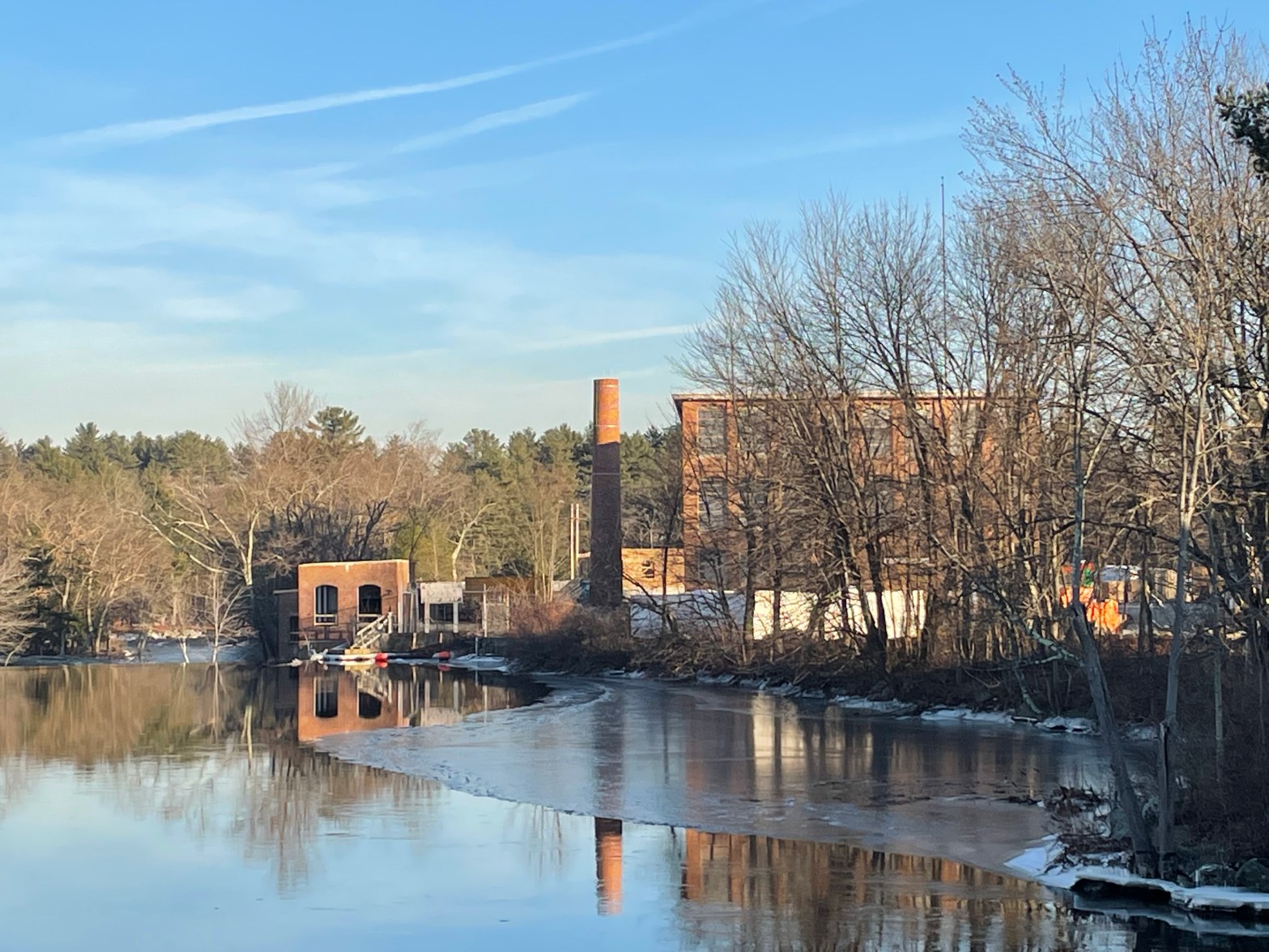
I took this picture in NH by the way.

I’ve worked in both sales and non-sales roles, but have spent most of my career thus far in an B2B sales capacity. I have seen that for whatever reason, there is often a butting of heads between the sales arm of a company and the operational and support portion of a business. But there shouldn’t be. Why? Because you cannot have one without the other.

The Sales Perspective

There may be a tendency at times for those in sales to think… “I drive revenue up, I’m the most important, I should be prioritized, etc.” Sales is essential to any business of course. I worked with a gentleman that loved to say, “nothing happens until something gets sold.” In reality he is right. A business without sales is dying if not already dead. 

So sales is the most important? Well kind of sort of if you realize that without revenue a business cannot thrive. But that is not the whole story. How does a business get recurring revenue? How is a product or service delivered and supported after the sale? Businesses need a skilled operations and support team to continue to succeed. Without the support system necessary to deliver on a deal, sales become unobtainable, thereby sending businesses spiraling downward.

The Operational Perspective

Just as sales teams can drift into thinking they are the most important wing of a business, so too can operational teams let this thinking rule their departments. There can be a stigma against “sales people.” Sales people go home early, don’t work long hours, and have flexible schedules. Sales people just go out to company paid lunches and get hefty commission checks while the operations team works hard in the background to support the sale that the lazy sales person fell into. Must be easy. Must be nice.

It is true, that without a good support team, sale professionals simply could not sell. If you sell a product or service that cannot be supported or delivered on time, then sales will decline. Operations is essential. But without sales coming in, and revenue being generated, there really is no need for an operations team. 

My Experience

When I worked as a rental manager in the heavy duty truck rental and leasing industry, I learned the importance of synergy between sales and operations firsthand. I was responsible for the revenue and asset utilization within my rental department. That being said, focusing on selling was key to growth. While I worked to rent out as many trucks as I could, I had to rely on the support of my service department to maintain and repair all vehicles in a systematic, timely, and cost effective manner. Without them, I would have angry customers. Without them, I would have uncontrolled maintenance costs. And without them I simply could not sell effectively. But without rental revenue, they would have no trucks to maintain. Without trucks, they would not have to have as large a staff as they had. 

My last full year in this role was my best in regards to financial performance. I can honestly say that the service manager and foreman team that supported my sales helped improve the overall gross margin and revenue performance of the department. They understood why synergy between sales and operations was vital to the health of the business. We worked together as a team. They changed their schedules to prioritize me at times when a customer had an unforeseen issue. I on the other hand tried my best to be patient and understand that sometimes resources were limited and other issues took priority. But through kind and continuous communication, we were able to work together to benefit the company as a whole. We understood our roles and how our relationships intertwined. And because of this understanding we were able to perform well and build strong relationships through it all.

So What is the Most Important Thing?

The ultimate answer is that the most important thing in business may not be one department. What is truly important is a mutually beneficial relationship between the sales staff and the support team. You cannot have one department thrive without a skilled team on the other end. It is important to remember the big picture, and to put aside selfishness and pride in order to form a team that serves and supports the customers whose dollars actually fund the business you are in.

Featured

Publishing Your First Podcast Episode

If you haven’t already, check out my previous posts in this Journey to Starting a Podcast mini series.

Career Yak podcast logo

Getting Podcast Guests

So as I mentioned in my last post, I dragged my feet a bit in actually getting this podcast off the ground. But finally I decided to start reaching out to some guest options that had said they would be interested but hadn’t scheduled yet. By way of LinkedIn messages, texts, emails, etc. I scheduled my first interview in October of 2019 and within a span of a month I had recorded three talks. These were people in my network who had inspirational and noteworthy career stories. They were nice enough to help me at the start, and it reminded me not to be afraid to reach out to my immediate connections. You don’t need a famous guest to get started. There are so many amazing stories right under our noses, we must simply be observant.

You don’t need a famous guest to get started.

Editing and Publishing

I made the excuse that no one would listen during the week of Thanksgiving so I set myself up for more procrastination. But I then realized that there would never be a perfect time. So just before the holiday I released the intro and my first two interviews, one with two guests and the other with one. I additionally scheduled my third episode for the first week in December.

Prior to this I definitely had to spend time learning how to properly use GarageBand for podcasts, which took some reading and watching YouTube videos. I’m no audio engineer, but I now feel pretty comfortable recording and editing. Don’t be afraid to learn new things!

One caveat! Make sure that your show is approved in at least Apple Podcasts prior to announcing your new pod. I actually published one episode, submitted it to Apple Podcasts for approval, then waited for confirmation. Once confirmed I scheduled the rest of the episodes I had ready, and then announced it all via social media, etc. Apple Podcasts is the most popular place that people listen to podcasts, so make sure a new show is approved there before you tell people to go listen.

9 Tools I Use for Podcasting

  1. Computer: MacBook Pro
    • My Cost: Around $1300 (on a plus side it is our family computer)
  2. Editing Software: GarageBand
    • My Cost: Free on a Mac
  3. Remote Recording Software: Zoom primarily but sometimes Zencastr
    • Cost: Free or $15 per month
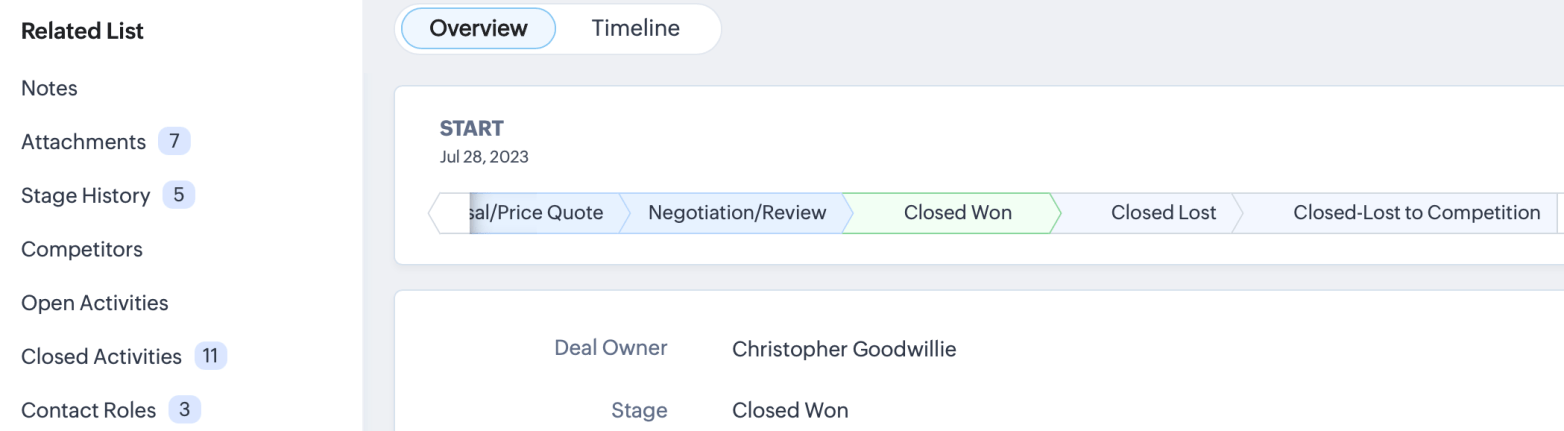
  4. CRM software to track guest invitation activity: Zoho CRM
    • My Cost: Free
  5. Appointment Scheduling Software: Calendly
    • My Cost: Free
  6. Time Tracking Tool: Toggl
    • My Cost: Free
  7. Logo Creation Tool: Canva
    • My Cost: My logo was $2
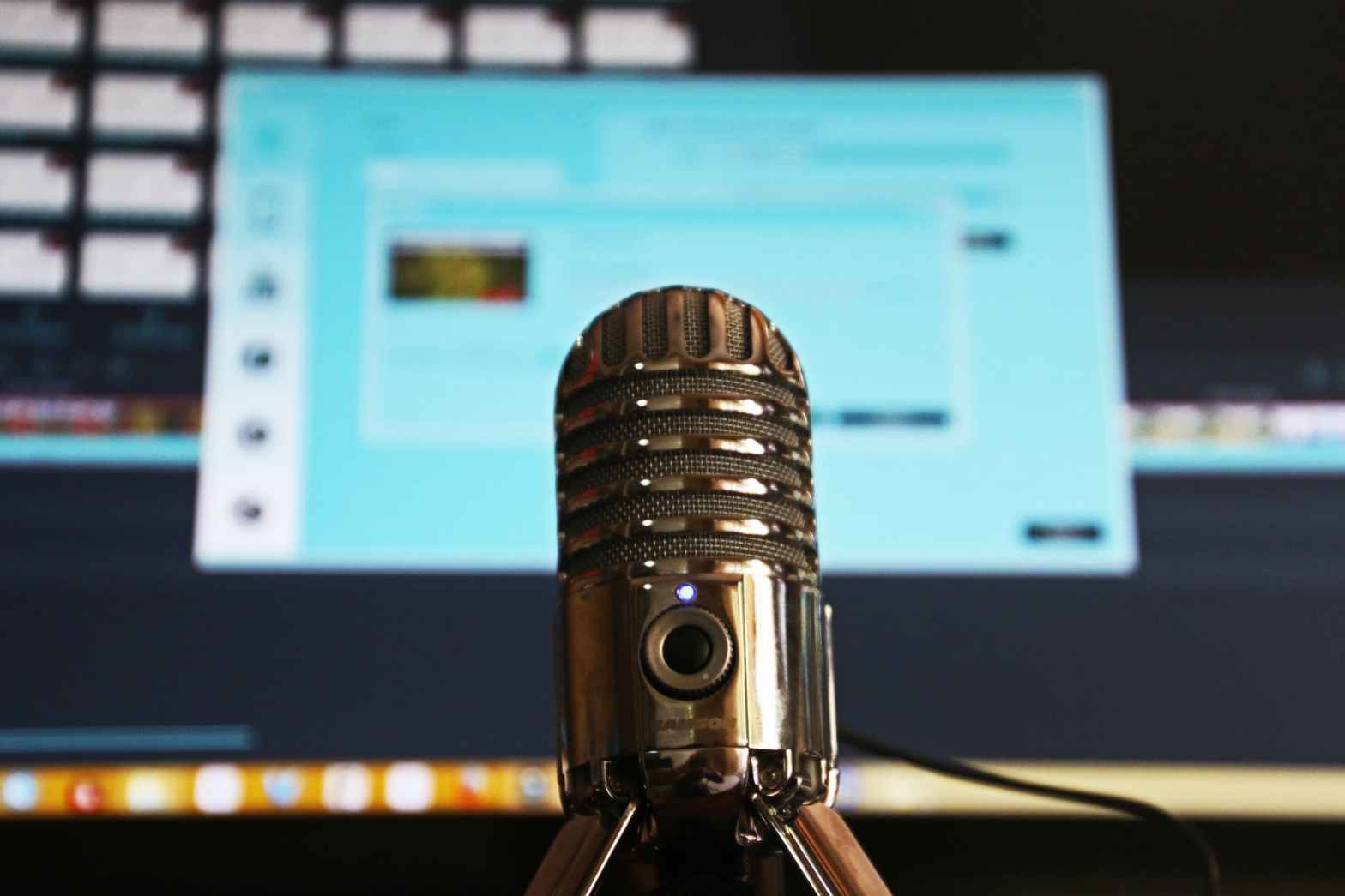
  8. Mic: Logitech USB H390
    • My Cost: $29.99
  9. Podcast Hosting Service: Buzzsprout
    • My Cost: $12 per month (I started with Anchor, a free service)

Keep it Cheap and Spend More Later

As you can see above, besides the computer, which honestly we needed for personal family use anyway (our existing computer was almost a decade old), you can start and maintain a podcast for a relatively low dollar amount. One cost I did not include was this website, which comes out to about $4 per month (obviously you can spend a lot more), but in all reality you don’t necessarily need a site to get started. Long story short. Don’t overcomplicate it, keep it simple, you can do it cheap at the start, grow from there.

Marketing and Awareness is the Hardest Thing

For me, creating awareness around the show has been one of the most time consuming and difficult aspects of podcasting. Build it and they will come is not really a true statement.

5 Things I’ve Done to Help Market My Podcast

  1. Join and be active in relevant Facebook Groups
  2. Tell friends and family
  3. Be a guest on another podcast
  4. Have guests on that host other podcasts
  5. Edit each episode so you produce a product you’re proud of

Conclusion: Just Start!

If you have an idea, and want to start podcasting, then create a plan and do it. Worst case scenario, no one listens and you stop doing it. Obviously that is not ideal but there are a lot of other aspects of life that are important besides podcasting.

I’ve had the chance to talk to some amazing people I probably would not have without a podcast

In all seriousness, just start. I dragged my feet for a long time. I’m still new in all this. I still have so much to learn! But I’m glad I started. I’ve managed to get some listeners, I’ve had the chance to talk to some amazing people I probably would not have without a podcast, and I sincerely enjoy the process of producing a podcast. Start now! Oh and listen to mine too!

Career Yak podcast logo
Featured

One Way to Test an Idea

If I have an idea for a business or something else, I try to write it down, or record it in my notes app on my iPhone. One thing I had written down at one point was to write a book about the career paths of various business professionals and entrepreneurs. Additionally, I had begun to compile a list of short and succinct pieces of career advice that I had received from those I had interacted with in my work life. Some were customers, some were coworkers. I didn’t necessarily know what I was going to do with this information but I didn’t want to forget it.

Gradual Progression

So naturally I decided to blog about some of these quotes. In July of 2019, I decided to transition from a free Wix site with a long url to a WordPress.com blog site, which allowed me to have an real looking web address. Ablogaboutbusiness.com is still live today! In fact my fourth post, titled Be a Farmer, was structured around a piece of sales advice I had received from my boss’ boss at a sales training. But in addition to getting quick one liner advice, I really had a desire to sit down with others and learn their stories in an interview type setting.

Using Family as a Guinea Pig for an Idea

Who better to make a guinea pig than a family member? My family and I were visiting my parents at their place in Arizona, and since my Dad owns his own business and I have a lot of respect for him, I asked him if he’d be willing to be interviewed by me. He agreed, being the good obliging father that he is (I think he genuinely wanted to!), and sat down with me for what I guess you could say would be the precursor to Career Yak! The equipment consisted of me using the recording app and built in mic on my iPhone, us talking in an echo filled and tile floored room, and me asking him some questions that I had previously jotted down in my journal. We then were interrupted, moved our conversation out to the patio, and encountered a Tucson thunderstorm (it was monsoon season!) that caused a bit of background noise. Needless to say the production part of the recording was professional grade.

Long story short, we finished our talk, I went back and edited it on my phone, my Dad and I both listened to it, and he gave me some feedback on the pros and the cons and what he’d do differently. I recorded it back during the summer of 2018, I blogged about it initially in February 2019 (you can still read my write up), and if you’ve listened to my podcast you’ll know that I didn’t publish my first full episode until November of 2019. So there was a gap of over a year between the trial interview and my podcast being published. But that was okay.

A Clip of My First Interview (Enjoy the Calming Rain)

Interview with Ken Goodwillie of Divine Design

Test the Waters and Continuously Learn

Could I have started my podcast sooner? Sure. But regardless of when I started it, the lessons I learned doing this real but casual interview with my Dad taught me so much. It gave me a taste of what interviewing someone was like. It gave me experience in prepping an outline. It helped me learn a bit about asking follow up questions. It taught me not to record podcast episodes in an open floorpan tile living room or during a thunderstorm. It taught me that I enjoy interviewing entrepreneurs and talking to them about business.

Sometimes people have an idea, and want to execute on that idea right away. Sometimes that is the right plan of action. But maybe you should consider testing the waters first in order to see if it is something you’d like to pursue. I started a business journal on a Word document to record ideas so they wouldn’t be forgotten. I enjoyed doing it, and later I started a simple blog online. I wanted to compile interviews with business people in some way. Did I get out of bed the next morning and call a book publisher or radio station to discuss my idea of interviewing professionals to learn career lessons? No… Instead I took a few hours during a day on my vacation to interview my Dad. The point is this: chew on and test out your idea in a small way first. Determine how realistic an idea is, and if it is something worth your time and that you actually want to do. And if it is, then keep pursuing it, keep learning, and continuously evaluate yourself and the idea as you progress. Maybe it will turn into something, maybe it won’t, but either way you will have hopefully learned valuable lessons during the process. The time spent is not wasted.

Check out the Career Yak Podcast!

Coffee Shops in NH

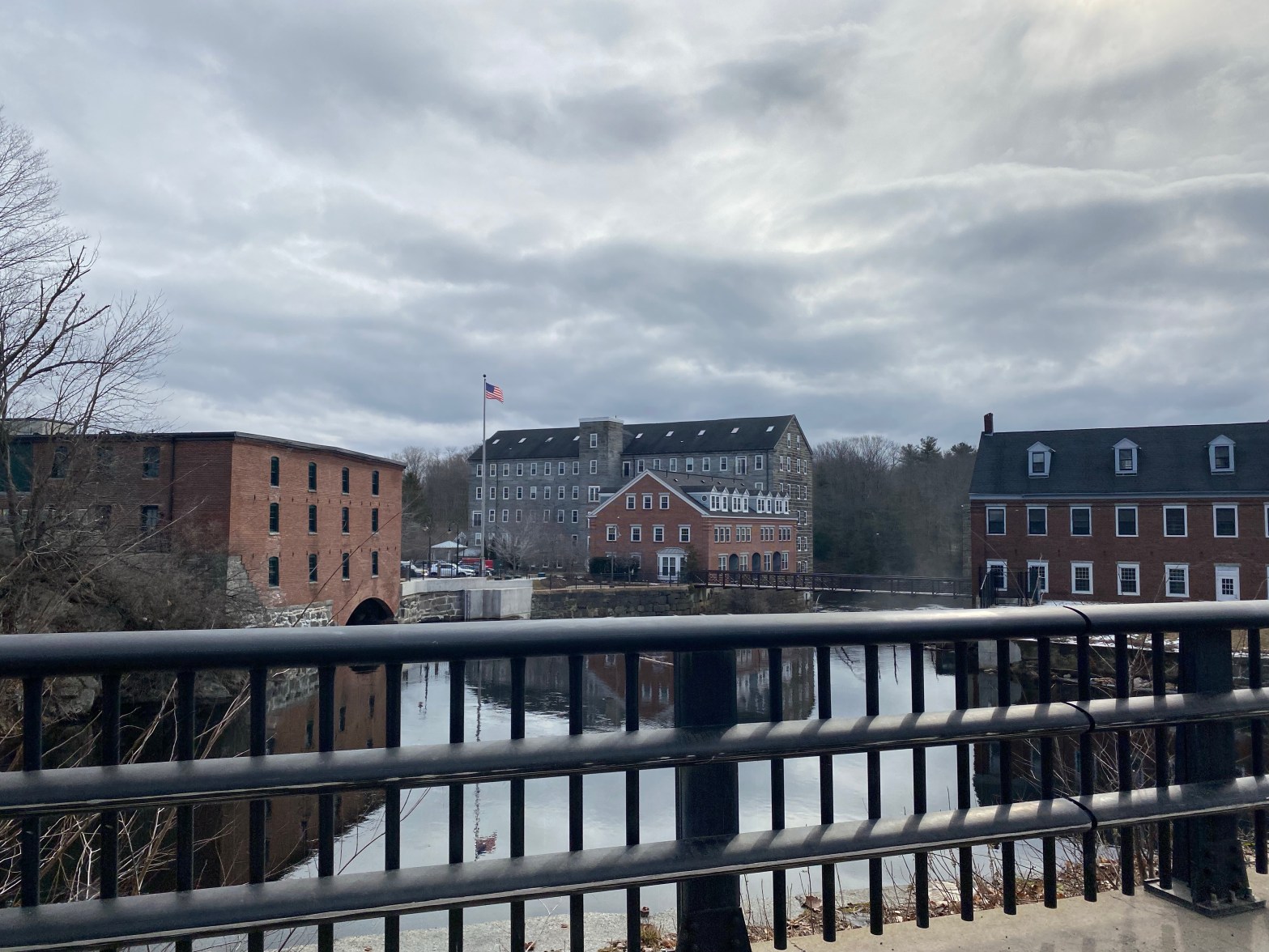
Once a week, I go out and work at a coffee shop nearby. Since I work from home, it gets me out and helps to break up the week. I think working in a different setting can help give you a new perspective and hopefully stimulate some creativity.

Now I know not everyone reading this is from New Hampshire like me, but I thought I’d list out and highlight some of the local coffee shops I’ve been to and some pros and cons and more. Click the links to go to the corresponding websites.

Casa Java Cafe – Derry, NH

Overview

Love it. A latino flair and soothing music make working at this shop desirable. The building and location is great and they do have decent food.

  • Food – Yes, fairly thorough menu
  • Seating – Indoor and some outdoor
  • Location – Old building/house near a small city downtown area

Pros/Cons/Recommendation

Pros

  • Atmosphere, music, interior environment. This is one of my go to places and I keep going back for a reason.

Cons

  • Honestly nothing. Not as close to me as I would like.

Recommend? – Yes, 9/10

Revelstoke Coffee – Concord, NH

Overview

This is another one of my top candidates. It’s a fairly new shop with an awesome location.

  • Food – Yes, breakfast
  • Seating – Indoor, small
  • Location – Downtown Main Street in one of NH’s larger towns, right across from the capitol building. Urban. Very cool.

Pros/Cons/Recommendation

Pros

  • Love the compactness of the inside and the minimalistic styling. Honestly the setting of the place is probably the biggest drawing point.

Cons

  • Minimal seating, so if the place is full, it may be tricky to set up and work.

Recommend? – Yes, 9/10

School Street Cafe – Dunbarton, NH

Overview

Super unique and another go to. Rural and the only real option in that specific area. Also I believe it is a Christian business which is cool.

  • Food – Yes, breakfast/lunch
  • Seating – Indoor and grass area outdoor
  • Location – Old house, center of small town, rural, not too much around it

Pros/Cons/Recommendation

Pros

  • Bright and cheery atmosphere. They play Christian music and the inside is historic and homy since it’s an old house.

Cons

  • Not a con necessarily, but it is off the beaten path and on it’s own, so depending on your situation, it may seem inconvenient to get to.

Recommend? – Yes, 8/10

Apotheca – Goffstown, NH

Overview

A local small business in the center of Goffstown that also is a flower shop.

  • Food – Yes, minimal (baked goods, etc.)
  • Seating – Indoor and outdoor
  • Setting – Old train station, center of small town

Pros/Cons/Recommendation

Pros

  • Outdoor seating. When the weather is nice, you can sit and soak in the sun in the quaint atmosphere of Goffstown.
  • The flower shop is great.

Cons

  • Not my favorite business overall. I don’t love some of the decor and products they sell.

Recommend? – If you’re in the area and need a quick coffee or place to sit and work briefly, then it’s not a bad spot. I wouldn’t go out of your way to visit, but Goffstown is neat.

Flight Coffee – Bedford, NH

Overview

I’ve only been once, and it didn’t do anything for me. Maybe because I went in the mid afternoon.

  • Food – Yes, minimal (baked goods, etc.)
  • Seating – Indoor
  • Location – Commercial complex, suburban

Pros/Cons/Recommendation

Pros

  • It’s fine…

Cons

  • Didn’t love the setting. Nothing overly bad, just nothing overly appealing.

Recommend? – No

Restoration Cafe – Manchester, NH

Overview

I really enjoyed this place on occasion. In the heart of Manchester, it offers a nice relaxing area to work with plenty of space

  • Food – Yes, full menu.
  • Seating – Indoor primarily and I believe some outdoor
  • Location – Old brick building, downtown and urban

Pros/Cons/Recommendation

Pros

  • Good option if you like an urban setting. Quaint inside and plenty of food options. Assortment of seating options like couches, high tables and low tables.

Cons

  • The staff treats it like a hybrid between a coffee shop and restaurant. If you stay there too long, they check on you and I almost felt bad only getting a coffee.

Recommend? – Yes, 7/10

The Inside Scoop – Bedford, NH

Overview

Really an ice cream shop that serves coffee.

  • Food – Ice cream
  • Seating – Indoor and a lawn
  • Location – Standalone old building in suburban setting

Pros/Cons/Recommendation

Pros

  • Not a bad option to sit and work and if you want ice cream then even better!

Cons

  • It’s not a typical coffee shop setting, which is why it’s not my favorite.

Recommend? – Indifferent

Farmhouse Roasters – Salem, NH

Overview

I’ve only been once, and I really enjoyed it. Plenty of seating and a good egg sandwich.

  • Food – Yes, breakfast
  • Seating – Indoor
  • Location – Commercial building in suburban town

Pros/Cons/Recommendation

Pros

  • Plenty of seating, nice environment for a commercial building suburban setting.

Cons

  • Nothing bad, just not top of my list.

Recommend? – Yes, 7/10

Union Coffee Company – Milford, NH

Overview

It’s been a little bit since I’ve been here, but always enjoyed it when I go.

  • Food – Yes, breakfast
  • Seating – Indoor
  • Location – Center of small town, old building

Pros/Cons/Recommendation

Pros

  • Atmosphere is great. I love the inside and the town is cool as well.

Cons

  • Nothing specific, I need to go again to better assess.

Recommend? – Yes, 7/10

Pressed Cafe – Bedford, NH

Overview

This one is unique. It’s a bustling restaurant/coffee shop/bar. It’s massive and always stays busy. A go to for me.

  • Food – Yes, full menu (open late)
  • Seating – Indoor and outdoor
  • Location – Suburban stand alone new building (multiple locations)

Pros/Cons/Recommendation

Pros

  • I love how busy it is. You feel energized and get to people watch! Plenty of seating, even more private areas if you have a virtual meeting. Food is great and you can sit there all day and not feel awkward.

Cons

  • If you’re looking for a quaint coffee shop, this is not it, but I still thoroughly enjoy it.

Recommend? – Yes, 8/10

IDENTITY Coffee Lab – Rindge, NH

Overview

Super love this place. It’s kind of out there but a great place to get coffee.

  • Food – Yes, minimal (baked goods, etc.)
  • Seating – Indoor and maybe some outdoor
  • Location – Commercial building, small town, rural

Pros/Cons/Recommendation

Pros

  • Aesthetics of the inside are great. Very friendly and a perfect spot for a rural area.

Cons

  • Once again, not a real con but it is out there in regards to location.

Recommend? – Yes, 9/10

The Sweet Spot Cafe – Weare, NH

Overview

Definitely more of a mini restaurant and bake shop then just a coffee shop.

  • Food – Yes, and they sell pre made food like cakes and more.
  • Seating – Indoor
  • Location – Feels like a little cabin, rural near a state highway

Pros/Cons/Recommendation

Pros

  • Neat little cabin feel and plenty of food options. Rural but not too remote, and ample seating for the setting.

Cons

  • I remember not loving the egg burrito I got there, but maybe it was an off day.

Recommend? – No

Brew – Brentwood, NH

Overview

I’ve been once and thought it was fine, nothing special.

  • Food – Yes, breakfast
  • Seating – Indoor
  • Location – Commercial building, somewhat rural

Pros/Cons/Recommendation

Pros

  • Nice option for the area, not too many other options.

Cons

  • Didn’t wow me

Recommend? – Indifferent

Battle Grounds Coffee – Haverhill, MA

Overview

This place I remember being pretty cool, but it’s been multiple years and I’ve only been once.

  • Food – Yes, I think
  • Seating – Indoor
  • Location – Small town Main Street feel near a river

Pros/Cons/Recommendation

Pros

  • I remember the interior being neat and the location as well. Really liked the branding as well.

Cons

  • I remember the inside being dark for some reason.

Recommend? – Yes, 7/10

Dunkin – Hartford, CT and everywhere

Overview

If you’ve been to New England, there seems to be a Dunkin on every corner. Even the smallest little towns in the middle of nowhere seem to have a Dunkin. I’ve been to a million of them, but rarely actually stop to work. I remember for some reason taking a break and working outside at a Dunkin in the downtown Hartford area and it being a nice little scene

  • Food – Yes,
  • Seating – Depends
  • Location – Everywhere

Pros/Cons/Recommendation

Pros

  • Always a great option for a pit stop or quick snack/coffee

Cons

  • Not an ideal work setting

Recommend? – You have to if you’re from New England

My TOP 5

  1. IDENTITY Coffee Lab
  2. Casa Java Cafe
  3. Revelstoke
  4. School Street Cafe
  5. Pressed

I hope you enjoyed this article even if you don’t live in the area. Comment below with your favorite coffee shop!

3 Lessons From My Latest Job Change

I recently changed jobs (September 2023) and I thought it’d be helpful to jot down some of my takeaways and lessons learned. So for now here are three, and if you need help in your job search, email me at careeryakpod@gmail.com.

Source

First a bit of context. While at my previous employer I was contacted by a third party recruiter who partnered with this particular organization and its sister companies. I believe she found me on LinkedIn, and the description was such that I was intrigued to continue the conversation.

I had a competing interview process going on at the same time and I think they would have offered me the job in the end. After deciding to go with the company I now work for, I let the other potential employer know that I had accepted an offer, so I only ever had one official offer on the table. This other opportunity also came about from a third party recruiter on LinkedIn.

The Timeline and Interviews

Interviews/conversations = 7

These were not all formal interviews as some were more conversations with other sales reps to get a flavor of the job and see if it would be a good fit on both sides.

Timeline

Duration – 29 days

  • Initial contact – July 28th, outside recruiter, verified target earnings, basics of job
  • 2nd interview – August 1st, internal recruiter, got more details, set next steps
  • 3rd interview – August 8th, with my would be boss, more formal
  • 4th interview – August 14th, another VP, also formal
  • 5th conversation – August 15th, with salesman currently in same role
  • 6th conversation – August 16th, with another salesman
  • Final interview – August 17th, training manager, focused on technical knowledge
  • Accepted offer – August 25th

3 Lessons

  • Always get next step expectations
    • At the end of every conversation it is important to get clear next steps. I treat my job searches and interview processes like I treat walking a customer/prospect through a sales cycle. Getting next steps is key to any process like this.
  • Send individual follow up emails
    • A term thrown around in sales is “multithreading.” Essentially this is building connections and contacting multiple parties in an organization in an effort to build a better web of rapport. Following most or all of my conversations with each contact, I would email them telling them of my interest and enthusiasm, and then would also email the recruiter who was spearheading the process so that he was aware of the milestones throughout.
  • If you’re interested, tell them!
    • Do the basics, take notes, prepare, ask good questions… But don’t forget to tell them how interested you are if that is genuinely the case. This job really appealed to me and of course they all wondered why I was willing to leave my other employer. I made a point to tell them why I thought the role was a good fit and how excited I was at the opportunity. Remember that a job interview is a two way street. They need to like you, but they also need to know that you like the idea of working for them. If a situation is not mutually beneficial, that is when turnover happens, which is costly to both an organization and an individual.

Final Thoughts

Changing jobs is a hassle. No doubt about it. So don’t be afraid to ask the questions during the process that give you the info you need to make a smart decision. Even after getting the offer I was torn on taking the role. There is risk to changing and there is risk to complacency. So I prayed, sought wise counsel and tried to make the best decision.

Also, keep track of your notes and the whole process. I use a free version of Zoho’s CRM to track everything and upload my handwritten notes, etc. However you do it, create a system that keeps things organized so that you don’t forget or lose track of details.

If you or someone you know needs help in their job search, feel free to email me at careeryakpod@gmail.com or start by checking out the free resource below.

South African Videographer joins the Show!

Our first guest from Africa. I reconnect with my childhood friend Jonathan to chat about what it’s like to be a freelance videographer in South Africa and his journey to hopefully making full length movies one day.

Listen to the episode now.

Check out some of his work here!

Consider Supporting the show if you like what you hear!

If It’s Not an Acronym it Doesn’t Matter

This is fictional satire

Johnny walked into work, excited to start the day. It was his first role out of college, an SDR role in B2B sales selling to SMB companies. Johnny was ready.

Before starting the role he spent day and night studying his acronym dictionary that BananaTech had sent him once he had signed his offer letter. He was drawn to this role because of the high OTE compared to other SDR roles. If he made a million calls a day and hit his KPIs, the promised OTE would be his! In addition, he was told he’d be on the fast track to becoming an AE… who knows, maybe one day a VP, or a CIO or CTO or CRO.

As he was walking to HR, he met an SE in the hall, who reminded him to always drink the Koolaid when it was offered. And drink it he would. Johnny was here to stay long term… for at least two years.

Johnny had big plans. But plans would have to wait. This week was the company wide SKO and he was ready to learn. The keynote speaker was a Harvard MBA who also had a BSBA from BU. He had started a SAAS company to help CEOs realize greater ROI from their tech stack. He had incorporated OCR tech into the solution, and eventually they had an IPO. Johnny was excited. He was A OK.

Sally set next to Johnny during the keynote. She asked him, “Why did you want to get into selling SAAS products? And why FinTech?”

“Because FinTech is the best tech. JK I’m just here to learn about sales. One day I hope to be a CEO or CRO or CFO or play in the NBA.”

They got quiet as the keynote speaker took the stage.

“Welcome to BananaTech’s annual SKO!”

Should You Become a Realtor?

In my latest episode I interview Chris Powles, who was my realtor just last year. He shares how he drastically switched careers from working in the agricultural world to become a realtor in his 30s. What does it take to be a realtor, and why should you consider it?

Listen to find out! 

And if you want to listen to our premium episode, where Chris goes in depth on earning potential and percentages associated with realtor commission and working for a team, then become a premium subscriber and the additional episode will show up in your feed. 

Check out Hvizda Realty online!

Why is All Marketing the Same?

I currently sell construction accounting software. Don’t get me wrong, I think our solutions help companies a lot. And our marketing message aligns with what we sell.

Any company will have competitors. I run into them all the time. But are they really different from us? Or are they the same with a different logo?

I think they’re different. I think we’re better. But at first glance you begin to see that so much of the messaging between competitors is the same. Why? I’m genuinely contemplating this question.

Here are some buzzwords and phrases I run into internally and externally when it comes to cloud based construction software.

  • Connected
  • Disconnected
  • Disparate
  • Silos
  • Leverage data
  • Single source of truth
  • Integrated
  • Seamless
  • Platform

So much of the verbiage is so similar across companies that are trying to sell to the same prospects.

This brings up a few questions in my mind.

First, in a world where messages are so similar, what is my differentiating value proposition?

Next, are marketing messages similar because smart marketing people know that these are the words and messages that resonate with the target audience… therefore the messaging is still advantageous and beneficial? It’s almost like coming out with a product that has already been successfully made and sold by someone else. This may seem unfortunate that you were not first to market, but the other product provided proof of concept, so it’s not all bad.

OR, are marketing messages so similar because industries get stuck in their own bubble and fail to think outside the box and truly stand out and differentiate? Maybe the product is different and unique… but the marketing message is not.

These are genuine questions I’m asking of myself and wondering what the right answers are. My worry is that in a world of common messages, prospects become calloused and begin to tune out when they hear buzzwords.

But that’s where I can try to captain my own ship as an Account Executive. I cannot necessarily change corporate marketing, nor should I. But once I get a qualified prospect to sit down and chat, it’s then up to me to show them why we’re different… in a good way of course.

Learning How to Start a Podcast

In July of 2019 I took another step toward starting a podcast by listening to podcasts about podcasts. Wow there’s a lot of podcast references in that sentence. That may sound boring to you, but I found two shows in particular that walked listeners step by step through the actual logistics of starting.

The first show I worked through was Free Podcast Course by John Lee Dumas, who also hosts the popular Entrepreneurs on Fire podcast. John also did video versions of this mini course on his website that I watched as well.

Additionally, I listened to How to Podcast Step by Step by Carey Green.

Both of these short series helped me get my head around what needed to be done to get a show off the ground. I listened to these while driving around making sales calls for my real job. In the end I also ended up spending time at home digging deeper, reading and watching videos about these topics.

Starting a Podcast Topics

  • How to publish your podcast
  • Creating a podcast logo
  • What “host” to list your podcast with
  • Equipment suggestions
  • How to record a podcast
  • Topics and types of podcasts
  • Figuring out what to podcast about
  • Identifying your listener

So I proceeded to make a list of to dos, and also a list of guest targets that I wanted to interview in the future. What happened next was… I dragged my feet. In next week’s post, the final in My Journey to Starting a Podcast series, I’ll go over how I finally started and published my podcast, how I got my first few guests to agree to come on, and what tools I used to start.

Career Yak podcast logo

Processing…
Success! You're on the list.