I recently changed jobs (September 2023) and I thought it’d be helpful to jot down some of my takeaways and lessons learned. So for now here are three, and if you need help in your job search, email me at careeryakpod@gmail.com.
Source
First a bit of context. While at my previous employer I was contacted by a third party recruiter who partnered with this particular organization and its sister companies. I believe she found me on LinkedIn, and the description was such that I was intrigued to continue the conversation.
I had a competing interview process going on at the same time and I think they would have offered me the job in the end. After deciding to go with the company I now work for, I let the other potential employer know that I had accepted an offer, so I only ever had one official offer on the table. This other opportunity also came about from a third party recruiter on LinkedIn.
The Timeline and Interviews
Interviews/conversations = 7
These were not all formal interviews as some were more conversations with other sales reps to get a flavor of the job and see if it would be a good fit on both sides.
Timeline
Duration – 29 days
- Initial contact – July 28th, outside recruiter, verified target earnings, basics of job
- 2nd interview – August 1st, internal recruiter, got more details, set next steps
- 3rd interview – August 8th, with my would be boss, more formal
- 4th interview – August 14th, another VP, also formal
- 5th conversation – August 15th, with salesman currently in same role
- 6th conversation – August 16th, with another salesman
- Final interview – August 17th, training manager, focused on technical knowledge
- Accepted offer – August 25th
3 Lessons
- Always get next step expectations
- At the end of every conversation it is important to get clear next steps. I treat my job searches and interview processes like I treat walking a customer/prospect through a sales cycle. Getting next steps is key to any process like this.
- Send individual follow up emails
- A term thrown around in sales is “multithreading.” Essentially this is building connections and contacting multiple parties in an organization in an effort to build a better web of rapport. Following most or all of my conversations with each contact, I would email them telling them of my interest and enthusiasm, and then would also email the recruiter who was spearheading the process so that he was aware of the milestones throughout.
- If you’re interested, tell them!
- Do the basics, take notes, prepare, ask good questions… But don’t forget to tell them how interested you are if that is genuinely the case. This job really appealed to me and of course they all wondered why I was willing to leave my other employer. I made a point to tell them why I thought the role was a good fit and how excited I was at the opportunity. Remember that a job interview is a two way street. They need to like you, but they also need to know that you like the idea of working for them. If a situation is not mutually beneficial, that is when turnover happens, which is costly to both an organization and an individual.
Final Thoughts
Changing jobs is a hassle. No doubt about it. So don’t be afraid to ask the questions during the process that give you the info you need to make a smart decision. Even after getting the offer I was torn on taking the role. There is risk to changing and there is risk to complacency. So I prayed, sought wise counsel and tried to make the best decision.
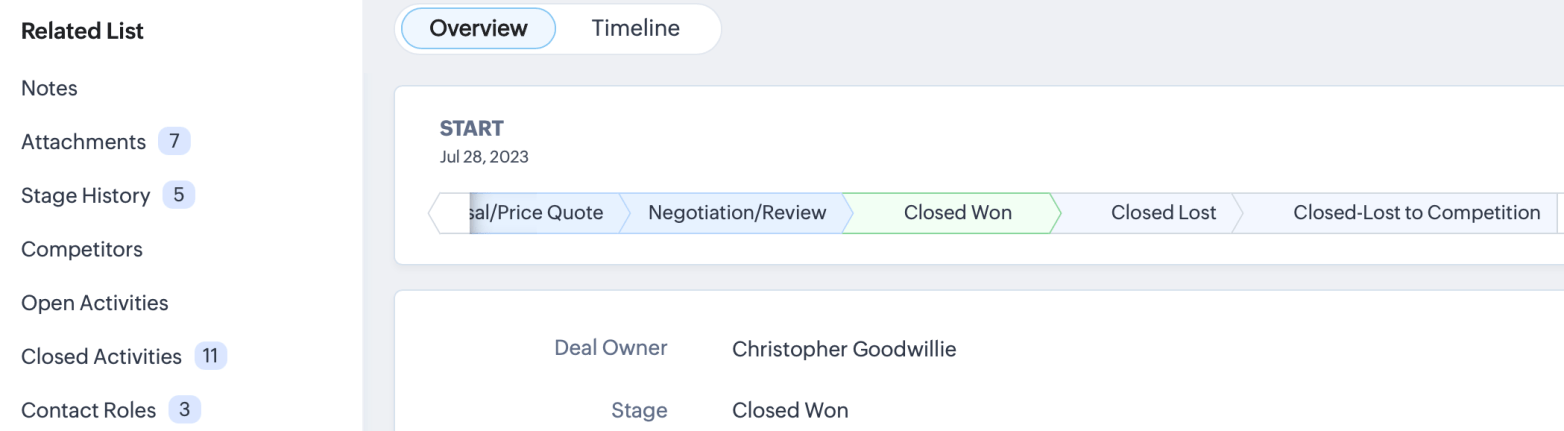
Also, keep track of your notes and the whole process. I use a free version of Zoho’s CRM to track everything and upload my handwritten notes, etc. However you do it, create a system that keeps things organized so that you don’t forget or lose track of details.
If you or someone you know needs help in their job search, feel free to email me at careeryakpod@gmail.com or start by checking out the free resource below.
 Career Yak